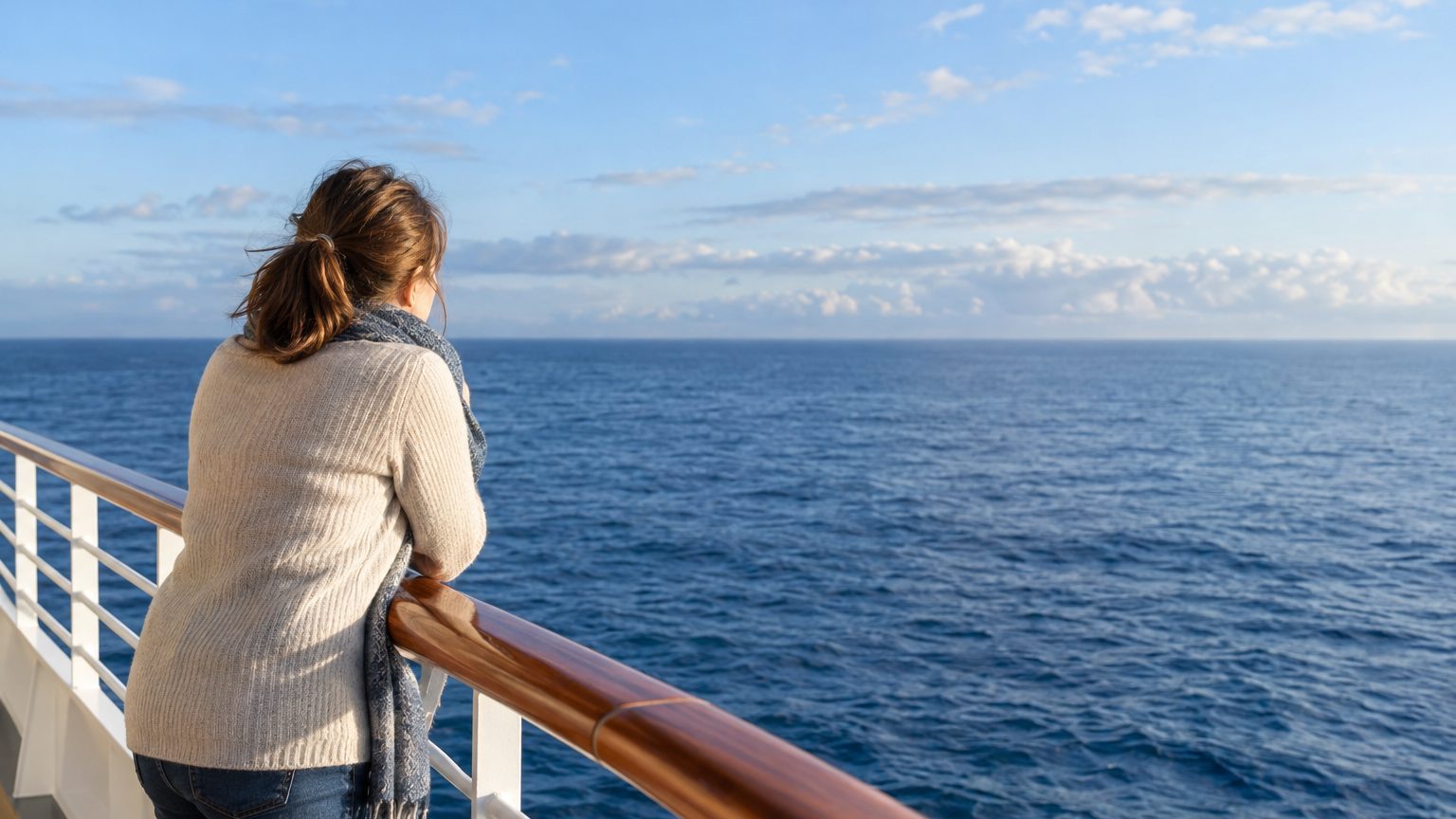
Sea days are when cruise lines load the schedule. Trivia, cooking demos, talks, tastings, fitness classes and live music often start mid-morning and run straight through the afternoon. Cruise onboard activities peak on the days when the ship has nowhere else to be.
Nobody is racing to a gangway.
Read the daily planner like a menu
Every evening, a daily schedule shows up in your cabin or on the ship’s app. Royal Caribbean calls its version the Cruise Compass, and other lines use different names for the same thing. A recent full day at sea on Voyager of the Seas listed a game-show-style event in the theater at 2:30 p.m., plus Royal Bingo, laser tag, family karaoke, movies on deck and late-night karaoke. That is one ship, one day, and a lot of overlapping options.
My advice is to circle three things, not twelve. A sea day tends to fall apart when you try to treat the planner as a checklist, because half of what’s on it happens at the same time.
Mornings are a good place to start. On Carnival ships, sea days often begin with poolside Zumba, trivia contests and even early karaoke. Elsewhere, you’ll find fitness classes and casual demos before lunch, which suits anyone who wants something to do without committing to a full afternoon.
Then there are the classes. Many are free and run mostly on sea days: watercolor painting, scrapbooking, jewelry making, even photo editing. They’re an easy way to fill an hour, and a surprisingly good way to meet other passengers who aren’t trying to sell you anything.
Burn some energy (the ship wants you to)
Ropes courses, surf simulators, water slides, go-kart tracks, ice rinks and indoor skydiving all exist on today’s biggest ships. Sea days are when these attractions tend to run longer hours, so trying one doesn’t mean squeezing it in around a port schedule. On a port day, by contrast, the Voyager of the Seas planner showed FlowRider and the rock climbing wall open for only part of the day.
Not every ship is a floating theme park, and that’s fine. Mini-golf, table tennis, shuffleboard, basketball courts and the main pools are usually included in your fare. A few laps on the jogging track before breakfast count as cruise onboard activities too, and the track is nearly empty at that hour.
Bingo is still one of the best-attended events on board.
Pool deck games deserve a mention as well. Pool volleyball, line dancing and the occasional belly-flop contest look a bit ridiculous from a distance, and they’re far more fun when you’re in them. Dance lessons in the atrium or a club work the same way, and nobody is grading you.
Do the things that only work at sea
Here’s a detail many first-timers miss. Onboard shops and the casino can only open while the ship is at sea, so a sea day is your window to browse the duty-free boutique or try the tables. Casinos feel different before noon: quieter, with dealer-led lessons on some ships, and without the late-night crowd. Shops also run sales on sea days, covering jewelry, watches, cosmetics and fashion, and the daily planner usually announces them.
Other sea-day staples are easy to overlook. Art galleries on many ships hold auctions with complimentary champagne, which is a pleasant way to spend forty minutes whether or not you bid. Some lines offer behind-the-scenes tours, and seeing the galley where thousands of meals come together each day is the kind of thing people talk about for years.
Costs are the catch. Most headline daytime attractions are covered by your fare, but sea days are also when cruise lines promote premium, paid experiences such as spa treatments, specialty classes and tastings. Those charges post automatically to your onboard account, so check the balance on the app every day or two. A $40 add-on here and a $65 add-on there add up faster than you’d expect.
Book the spa early, ideally the day you board. Sea-day appointments tend to go first, since every passenger on the ship has the same idea at roughly the same time.
Slow down without wasting the day
Not everyone wants a packed schedule. If you prefer quiet, sea days are the time to use the library, the indoor lounges and the puzzle tables, where crosswords and Sudoku are often offered daily at the library or guest services desk. Some passengers bring their own Mahjong sets, card games or cribbage boards, which tells you how seriously regulars take downtime.
A balcony helps. Bring a drink, a book or an audiobook and watch the ocean roll by, and keep an eye out for sea life. If you don’t have a balcony, an upper-deck bow or stern viewing area gives you much the same view.
Food is another way to dodge crowds. A table at a specialty restaurant for lunch is usually far calmer than the buffet deck at noon. Another option is a sit-down breakfast in the main dining room early in the day, before the rest of the ship is up.
Sun loungers are where tempers flare. Many lines forbid reserving a chair with a towel if you leave for more than 30 minutes, and staff do enforce it on busy days. Arrive early or accept a spot in the shade, because a pile of towels won’t hold your place.
One more nuance for planners: the daytime schedule on a port day is noticeably lighter than on a sea day, even though plenty of activities stay available. If you want the pool, the slides or the spa with fewer people around, skipping a port stop and staying aboard can feel like having a private resort.
Sources: cruiselowdown.com | cruisecritic.com | magazine.northeast.aaa.com