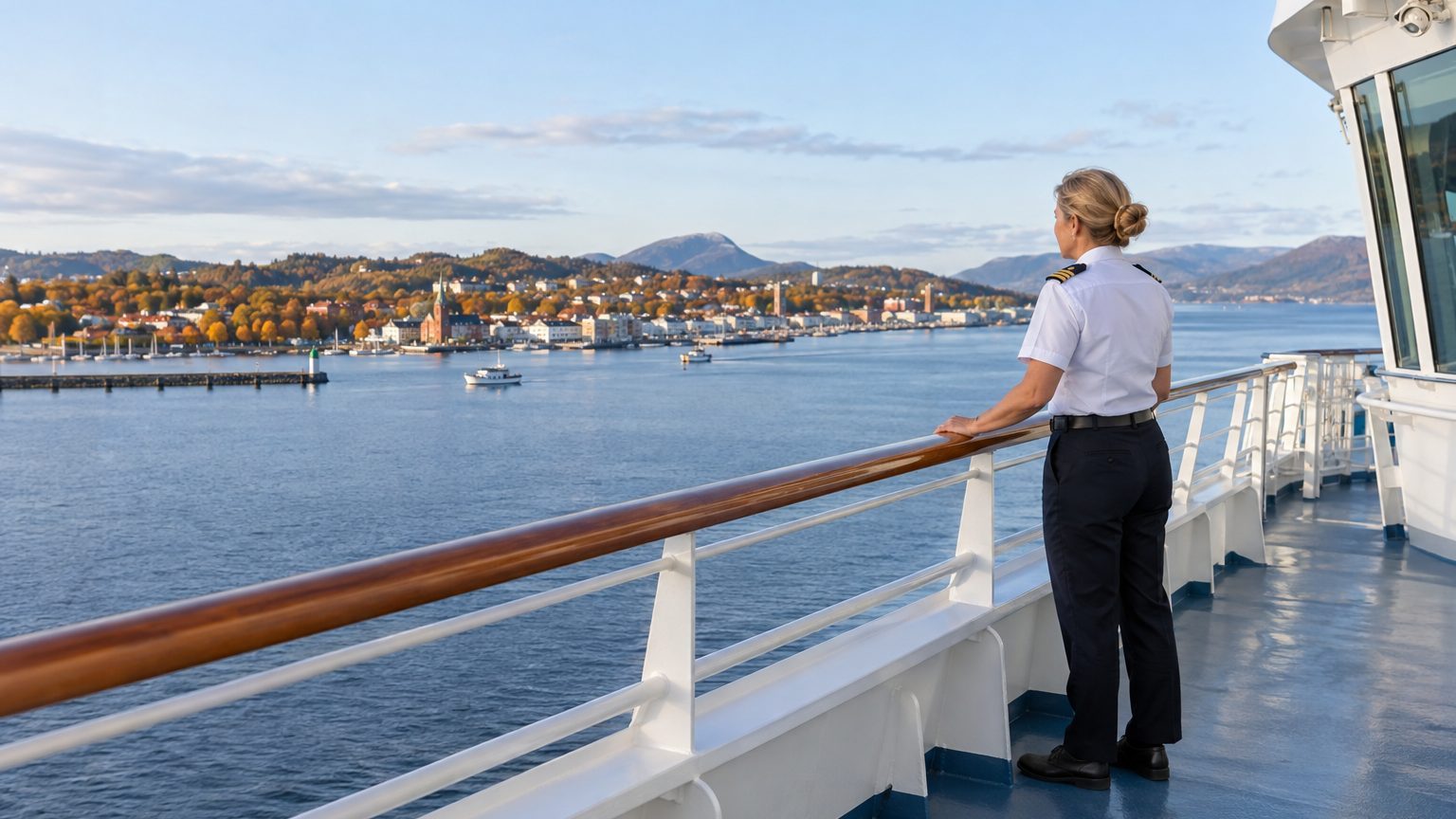
Most estimates of a cruise ship captain salary land between $110,000 and $180,000 a year. The midpoint is often quoted around $110,000 to $150,000. Cruise lines rarely publish their pay scales, so every figure you find online is an estimate pieced together from job sites, recruiter data and industry chatter.
The range, and why it stretches so far
A newly promoted captain might start somewhere between $75,000 and $100,000. A veteran with 20-plus years can clear $150,000, and captains of the biggest ships can pass $200,000 once bonuses and benefits are counted. That is a wide runway, and where a captain lands depends on experience, ship size and employer.
Treat the $400,000 claims with suspicion.
Some pages float that number for top captains at the largest lines, but it rests on anecdote rather than any published pay scale. The more consistent reporting puts even the best-paid commanders at roughly $200,000 to $225,000 in total compensation. A figure above that deserves a hard look at where it came from.
The confusion has a simple cause. One widely cited pay aggregator lists an average of about $119,386 for “ship captain,” but that pool includes smaller boats and everything from junior to master-level captains. A national job board shows an average near $54,541 for “cruise ship captain,” with the 90th percentile only around $79,500. Those numbers mix in harbor pilots, ferry operators and small-boat skippers alongside the people commanding 220,000-tonne passenger ships. Comparing them to a Royal Caribbean master is like comparing a high school coach to an NFL head coach because both have the same title.
What captains earn at the major lines
Royal Caribbean captains are generally estimated at $130,000 to $200,000 a year. The most senior commanders on Icon-class and Oasis-class ships can exceed $200,000 in total compensation. One estimate puts a master captain on a mega-ship as high as $225,000.
Other lines cluster in similar territory. Carnival Corporation brands are often placed between $110,000 and $170,000, though some estimates for Carnival Cruise Line put base pay at $140,000 to $180,000 with bonuses pushing the total toward $210,000. Disney Cruise Line is commonly pegged at $150,000 to $220,000, and Norwegian Cruise Line at $150,000 to $200,000, with safety bonuses reported as common. Those spreads are the best evidence of how loose the data is.
Base pay is only half the story.
Several estimates stress that a captain’s package pairs a base salary with sizable bonuses, which is why two sources can quote the same captain at very different numbers. Some lists count only base pay. Others fold in perks, retirement contributions and incentives. Spread $150,000 across a year and you get about $410 a day, which sounds modest for a person responsible for several thousand lives. But captains work rotations rather than 365 days a year, so the effective daily rate on duty is considerably higher.
Fifteen to twenty years to reach the bridge
Nobody walks into this job. The usual route runs from cadet or deck officer through the ranks to staff captain, then to command, and estimates put the climb at 15 to 20 years. Most captains come up through merchant marine or maritime academy training, and many put in years on cargo ships or tankers before reaching a passenger vessel.
Karin Stahre-Janson’s career shows the pattern. She took her first shipboard job at 19, a six-week stint as a junior seaman on a petroleum tanker. She then spent about nine years on cargo vessels before joining the cruise industry, served as staff captain on Serenade of the Seas and Majesty of the Seas, and in 2007 became the first woman to command a modern mega cruise ship, Monarch of the Seas.
That timeline matters for the salary math. A captain earning $200,000 is usually a person who spent two decades earning far less, and the top pay level is reached late. One estimate pegs a new starter near $80,000 and an experienced captain near $200,000, and notes that those who reach the top bracket may not hold it for 30-plus years.
What the paycheck leaves out
The job description explains why the pay is what it is. A captain holds final authority over the vessel, crew and guests, yet manually steers only a fraction of the time, mostly during docking. The rest is command: safety, regulatory compliance, port operations, crisis decisions and the ship’s schedule. Pay reflects liability as much as skill.
Living costs also work differently. Captains typically live aboard during their rotation, with housing and meals covered by the ship, so more of the salary is savings than it would be for a shore-based executive earning the same amount. That is my reading of how the job is structured, not a published benefit schedule, and individual contracts vary.
Expect extra noise if you compare lines headquartered in Europe. Some pay estimates for those operators are quoted in euros, and some web lists convert the figures inconsistently. If you see a captain’s pay that looks too low or too high, check the currency before you trust it.
Sources: cruisebooking.com | madaboutcruises.com | cruiseshiptracking.com